


Age Ratings in Games: What Is Your Child Experiencing in the Game?
One of the easiest ways to understand who a game is suitable for is by correctly reading the age ratings.

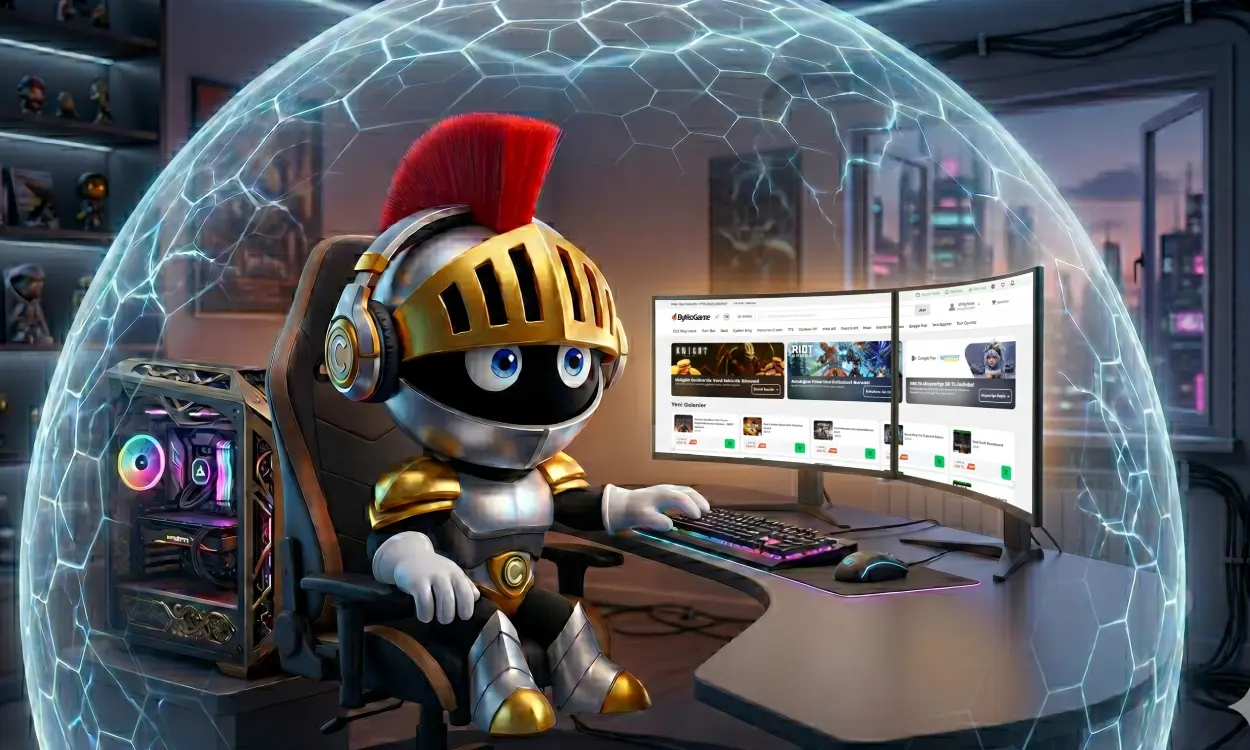
It's 10:30 PM. You enter your child's room to leave a glass of water. From the headphones, conversations; on the screen, a colorful world; your 12-year-old child is in their own universe. "I'm fine, mom, one more minute," they say.
That one minute means sometimes teaming up with a friend, sometimes solving a puzzle, sometimes relieving the stress accumulated throughout the day. So, that screen is a place much more meaningful than it appears.
But how well do you know that world?
Good news: You don't need to sit in front of it for hours to get to know it. Every game’s cover or sales page includes a small guide just for you: the age symbols called PEGI and ESRB.
A ten-second glance reveals a lot.
Games aren't the enemy, but not every game is for every child
For this generation, games are a meeting point, a circle of friends, and sometimes a skill workshop. There are children building cities in Minecraft, improving their English in FIFA, and teaming up with friends in Valorant. So, the debate about "not letting them play games" is fundamentally the wrong question.
The real question is: Which game is appropriate for which age?
Because there are thousands of games on the market, each offering a completely different world. In one, colorful characters jump; in another, you save the world; while another may have scenes that a 12-year-old child doesn't need to see. This is exactly what PEGI and ESRB exist for—to make this distinction.
What do PEGI and ESRB do?
An expert team examines the game from start to finish; they note the language, violence, horror scenes, and gambling elements one by one, then place a small symbol on the cover. This symbol tells you one thing: "How old is this game's content appropriate for?"
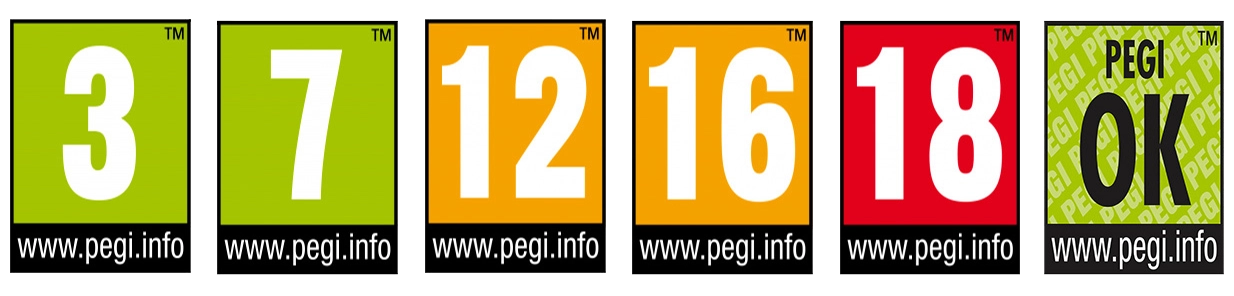
PEGI ratings generally include these age signs:
-
PEGI 3: Suitable for all ages.
-
PEGI 7: May contain scenes that could scare younger players.
-
PEGI 12: May include more noticeable violence, mild swearing, or some sensitive elements.
-
PEGI 16: May have stronger violence and more mature themes.
-
PEGI 18: May contain intense violence or content directed at adults.
PEGI doesn’t only provide age information. It also uses symbols to indicate whether there is violence, horror, bad language, gambling, sexuality, or in-game purchases in the game. These symbols are very useful guides for families, as listed below.
|
Symbol |
Name / Description |
|---|---|
|
|
Violence The game contains violent depictions. Games with a PEGI 7 rating may have non-realistic or minimal violence. PEGI 12 games may include violence in a fantasy setting or violence against human-like characters that is non-realistic. PEGI 16 or 18 games include increasingly realistic violence. |
|
|
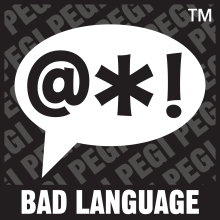
Bad Language The game contains bad language. This descriptor can be found in PEGI 12 (mild swearing), PEGI 16 (e.g., sexual exclamations or swearing), or PEGI 18 rated games. |
|
|
Fear / Horror This descriptor appears as "Fear" in PEGI 7 rated games if it contains images or sounds that may scare young children. At higher ratings, it is described as "Horror" for games that include medium-level (PEGI 12) or intense and continuous (PEGI 16) horror sequences or disturbing images (not necessarily including violence). |
|
|
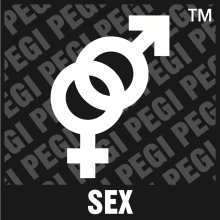
Sex This content descriptor accompanies a PEGI 12 rating if the game includes sexual posing or suggestions; PEGI 16 if it shows non-genital erotic nudity or sexual intercourse; or PEGI 18 if explicit sexual activity is present. Depictions of non-sexual nudity do not require a specific age rating and are not labeled with this descriptor. |
|
|
Drugs The game refers to or depicts illegal drugs, alcohol, or tobacco use. Games with this content descriptor are always rated PEGI 16 or PEGI 18. |
|
|
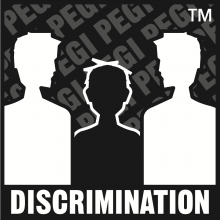
Discrimination The game contains depictions that may promote hatred based on ethnicity, religion, nationality, or other stereotypes. This content is always restricted to PEGI 18 and may violate national hate speech laws. |
|
|
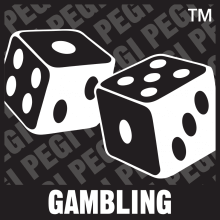
Gambling The game contains elements that encourage or teach gambling. These simulations refer to chance games typically played at casinos or gambling halls. Some older games with PEGI 12 or PEGI 16 ratings may exist, but since PEGI changed the classification criteria in 2020, all new games with this content automatically receive PEGI 18. |



The most common ESRB categories are:
-
EC (Early Childhood): Suitable for very young children with content appropriate for an early age group.
-
E (Everyone): Suitable for all ages, may contain very mild content.
-
E10+ (Everyone 10+): Suitable for ages 10 and up, may contain slightly more noticeable but mild content.
-
T (Teen): Suitable for ages 13 and up; may contain violence, mild blood, or language near to strong language.
-
M (Mature 17+): Suitable for ages 17 and up; may contain intense violence, blood, sexual content, or strong language.
-
AO (Adults Only 18+): Only suitable for adults; this category contains the heaviest content.
-
RP (Rating Pending): Rating is not yet finalized; usually seen in promotional and advertising periods.
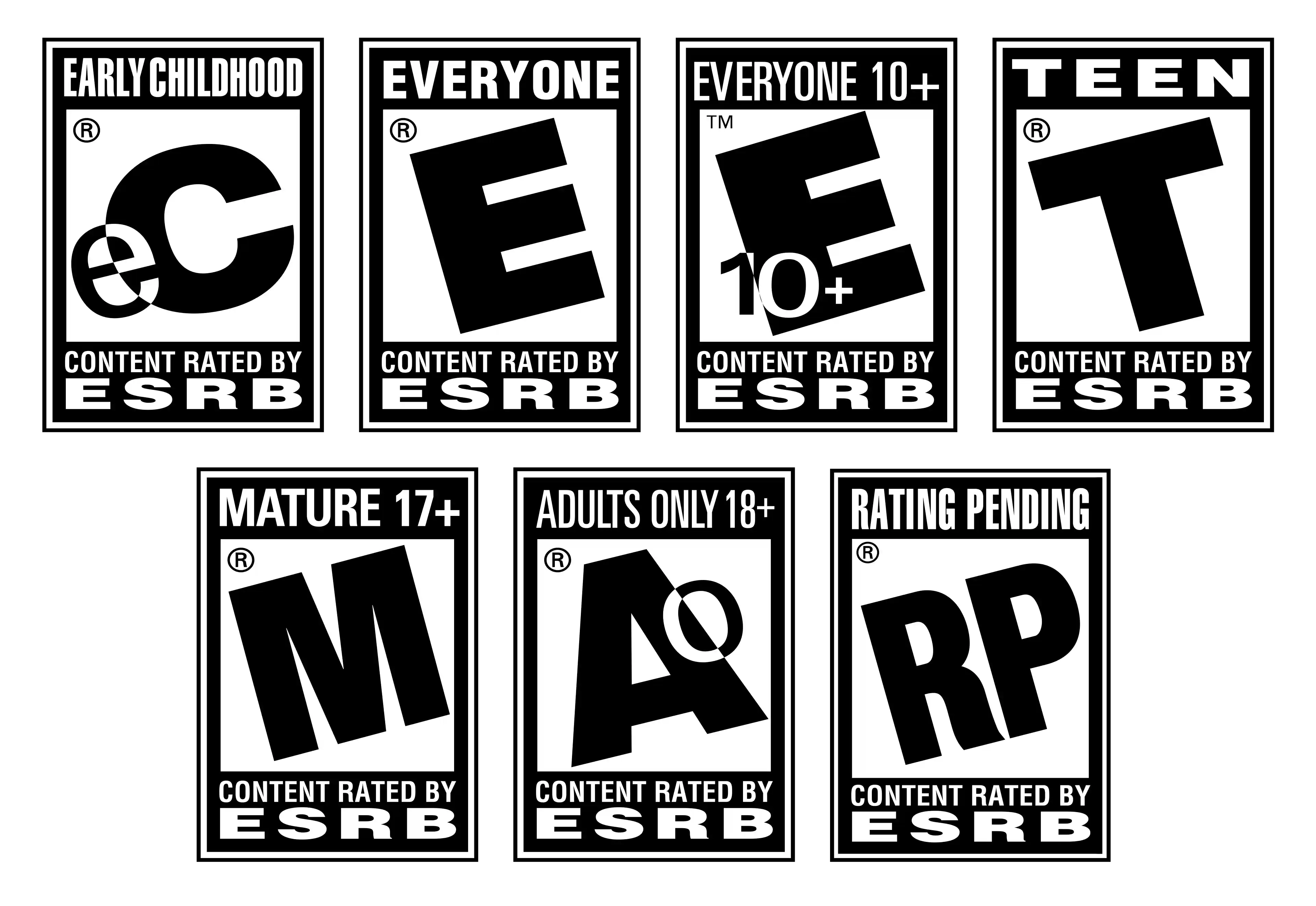
Like PEGI, ESRB does not only indicate age; it also indicates details like blood, violence, swearing, sexual content, or online interaction.
How do I know if something goes wrong?
No expert eye needed, it can be detected through daily observation: If your child remains tense after playing, insists "I can't stop," starts using expressions you've never heard before, their sleep patterns change significantly, or they seem to hide the game from you, when several signs appear together, opening a conversation makes sense.
A single signal is not a reason to panic. If several are present at once, saying "let me see what you're playing" is more effective than taking the game away.
What should I do? It only takes 5 minutes
-
Check the age rating on the product detail page. On ByNoGame, we add PEGI and ESRB information to each game’s detail page, so you can see the content and appropriate age group at a glance before adding to your cart. A ten-second check makes the rest much easier.
-
Even if age appropriate, glance at the symbols. It may say "PEGI 12," but if there's a "gambling" symbol next to it, that deserves a small conversation.
-
Set device settings once, then forget. PlayStation, Xbox, Nintendo Switch, iPhone, Android all have parental control features. Once you set the age limit, games above that limit are automatically blocked.
-
Sit with them for the first 10 minutes. Showing interest in what they are playing is as valuable to your child as the age ratings.
-
Say "why not" instead of "no." A sentence explaining "this game is not suitable for you because of ..." always works better than a flat ban.
Final words
Games are a good thing for this generation: friendship, creativity, strategy, and even language practice can all come through the screen.
Your one question is: Which game is suitable for which age? The answer is already on that small number on the box.
At ByNoGame, we add PEGI and ESRB labels to each game’s detail page, so choosing the right game isn’t hard for you. Take two seconds, buy with confidence.